
Loading...
Serving San Angelo, TX and surrounding areas. (325) 292-0639
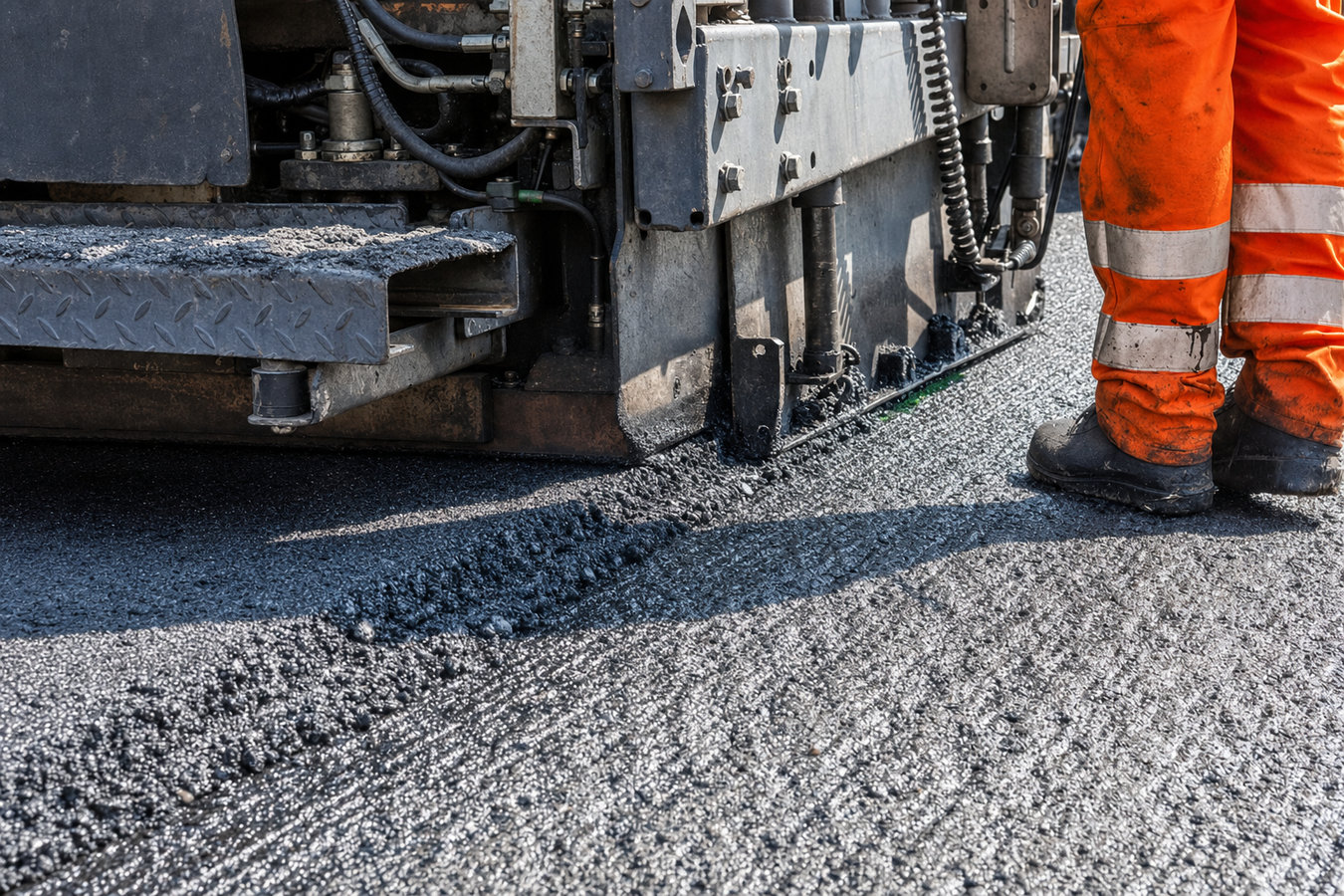
Rutted, cracked, or worn-thin asphalt does not need a full tear-out. We mill the damaged layer cleanly so a fresh overlay bonds tight and lasts through West Texas summers.
Asphalt milling in San Angelo is the process of grinding down the damaged top layer of an existing paved surface using a machine with a rotating drum of steel teeth, leaving a clean, textured base that bonds tightly to a fresh asphalt overlay - and most residential driveways are milled in a single day.
In San Angelo, the most common reason homeowners call for milling is not old age alone - it is heat-related rutting combined with drought-cycle cracking that lets water into the base. Once water gets under the surface through spreading cracks, the base softens and the damage accelerates fast. Milling stops that process before a manageable resurfacing job turns into a full replacement.
Milling pairs directly with asphalt resurfacing- the milled surface is the prepared base the new overlay goes on. When the contractor also checks the grade during milling, they can correct low spots so water drains away from the garage and foundation rather than sitting on the surface.
If you notice dips, grooves, or areas that feel spongy under your tires, the top layer has been damaged by heat and repeated loading. San Angelo's long summers cause this kind of surface failure from the top down while the base below often remains solid - which makes milling the right fix, not a full removal.
A few hairline cracks are normal, but when you see a web of cracks spreading after a dry spell, water is getting in and weakening the structure below. Milling and resurfacing at this stage stops the damage before it reaches the base and forces a far more expensive full replacement.
San Angelo gets intense but infrequent rain, and when it comes, standing water on your driveway means the surface has lost its slope or developed low spots. Pooling water accelerates deterioration and works through cracks into the base - milling lets the contractor correct the grade before the new layer goes down.
When asphalt has been in place for many years, the top layer oxidizes and loses its binder, leaving a dry, gray, crumbling surface. Patching is only a short-term fix at this stage. Milling removes the worn-out material cleanly so the new overlay bonds to a fresh, stable surface rather than peeling away from a degraded one.
We use milling equipment sized for residential driveways, shared drives, and small commercial lots - making consistent passes across the surface and sweeping up the ground material before we leave. The depth we mill is set based on what the surface and base need, not a fixed number, because a good contractor checks the base condition before committing to scope. For jobs where drainage is an issue, we mill to a corrected profile so the new overlay sits at the right slope from day one.
After milling, we walk the surface with you to confirm depth is consistent, edges are clean, and the base looks sound before we schedule the overlay. For projects where the base itself has been compromised by water or soil movement, we will tell you honestly - and our drainage solutions crew can address underlying water problems so the new surface does not face the same conditions that damaged the old one.
Best for homeowners whose driveway surface has rutted, cracked, or worn too thin for a simple overlay to bond correctly.
Suited to driveways and parking areas where water pools in low spots and proper drainage needs to be restored before resurfacing.
The standard first step for any full resurfacing project where the existing surface is too deteriorated for a direct overlay.
For small commercial parking areas and shared drives where consistent surface depth and clean edges matter for the new layer.
San Angelo's intense summer heat is the primary reason driveways here need milling and resurfacing, not freeze-thaw damage the way northern climates experience it. When temperatures hold above 100 degrees for weeks, older asphalt softens and ruts under vehicle loads, and the oxidized surface loses its binder until it crumbles at the edges. A contractor who understands this plans the milling and overlay schedule around the heat, and recommends fall-through-spring timing so the new surface sets and cures properly before the next punishing summer.
The shrink-swell clay soil in and around San Angelo also means a contractor needs to check base condition honestly - not just mill and overlay without looking underneath. Homeowners in Carlsbad and Christoval deal with the same drought-cycle cracking and clay movement as properties inside the city, and we bring the same base-assessment approach to every job regardless of location.
Describe what you are seeing - rutting, cracking, pooling water, or a planned resurfacing. We reply within one business day and schedule an on-site visit before giving you any number.
We walk the surface with you, check base condition and drainage, note any obstacles, and determine whether any city right-of-way permits are needed. You get a written quote that spells out depth, area, and what happens to the milled material.
Move vehicles off before we arrive. The milling machine makes methodical passes, the crew sweeps and loads the milled material, and most residential jobs are complete in a single day. The surface is left clean and ready for inspection.
We walk the milled surface together to confirm consistent depth and clean edges. If the base looks good, the overlay is typically scheduled within a few days. We do not recommend leaving a milled surface exposed for more than a week or two heading into summer.
We will walk your driveway with you, explain exactly what we find, and give you a written quote - no pressure, no guessing. Reply within one business day.
(325) 292-0639We tell you if the base has been compromised by soil movement or water intrusion before we commit to scope. A contractor who skips this step will mill and overlay a failed base, and you will be back on the phone in two years. We would rather lose a sale than deliver a job that does not hold.
We recommend fall-through-spring timing for milling and overlay projects in San Angelo, and we explain why when you call. The new asphalt cures and sets properly in moderate temperatures - not during a stretch of triple-digit July heat. Getting on the schedule before summer is the single best way to protect the investment.
When your driveway has low spots where water pools after San Angelo's intense but infrequent rains, we mill to a corrected profile before the new layer goes down. Redirecting water away from your garage and foundation is worth the extra planning during the estimate - and it is something we build into the scope rather than treat as an add-on.
We carry general liability insurance and workers compensation coverage, hold a Texas state contractor license verifiable through the Texas Department of Licensing and Regulation, and follow best practices set by the National Asphalt Pavement Association.
Milling is a straightforward process when it is done right, but the decisions made before the machine starts - base condition, depth, grade, and timing - are what determine whether the new surface holds up through San Angelo's summers or fails inside of a few years.
When underlying drainage problems are what caused the surface failure in the first place, addressing them before milling and resurfacing protects the investment.
Learn MoreThe overlay step that follows milling - a fresh asphalt layer compacted over the milled base gives you a smooth, durable surface built for West Texas heat.
Learn MoreFall through spring is the best window for overlay work to set properly. Call now to get on the schedule while spots are available.